
jake lamotta net worth

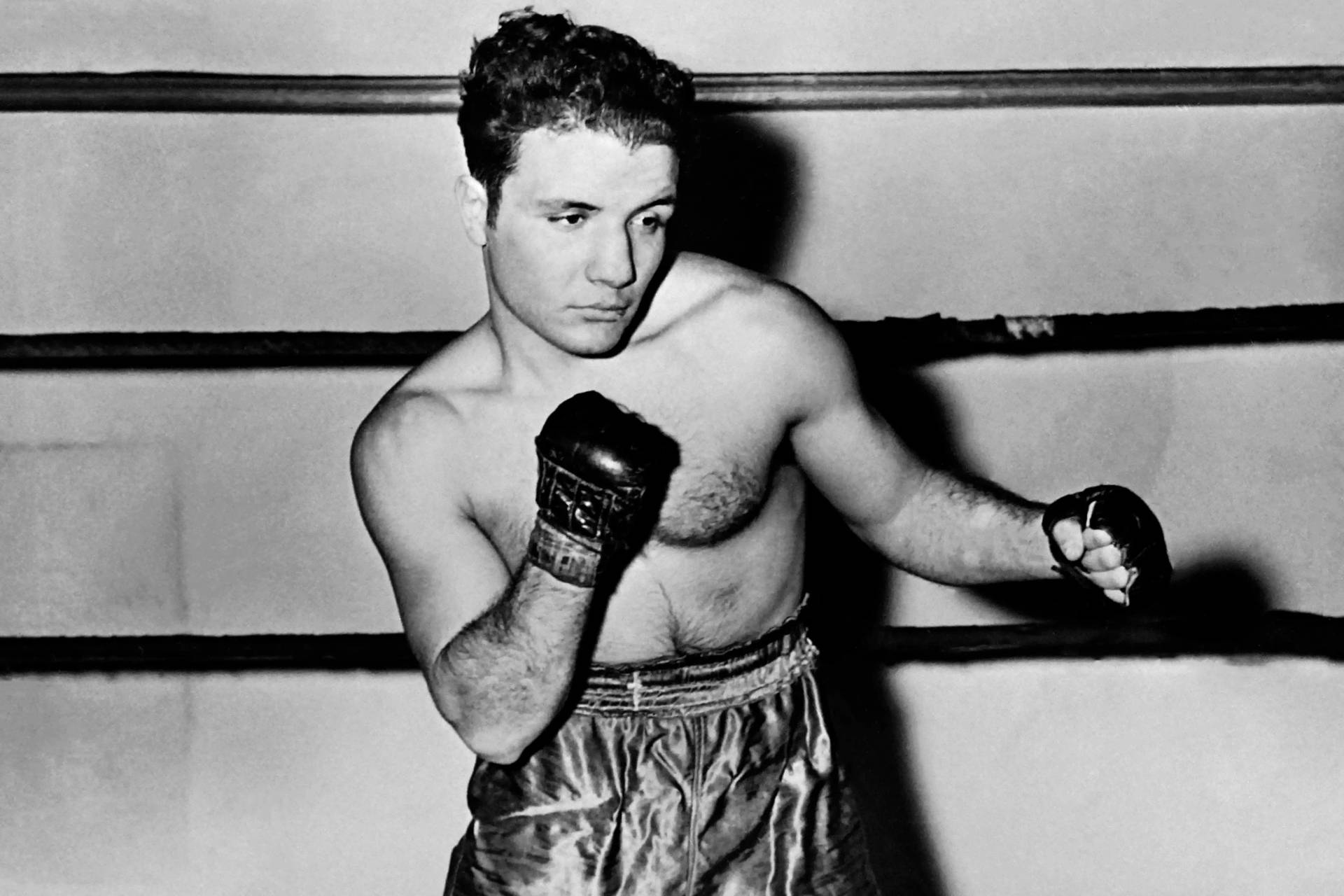
Estimated Net Worth
$5 Million
LaMotta turned professional in 1941 and quickly made a name for himself in the middleweight division. He fought some of the biggest names in boxing, including Sugar Ray Robinson, with whom he had a famous six-fight rivalry. LaMotta’s career spanned over a decade, during which he became the world middleweight champion in 1949. His net worth of $5 Million came from his boxing career and later ventures, including acting and owning nightclubs.
Jake LaMotta Net Worth in 2026
Jake LaMotta’s net worth in 2026 is estimated at $5 Million. This figure is based on historical earnings from boxing, film royalties, and business ventures, adjusted for inflation and residual income. Sources like Celebrity Net Worth and BoxRec provide the foundation for this estimate, though exact financial records remain private.
Personal Life & Career Beginnings
Jake LaMotta was born in New York City in 1921 and grew up in the Bronx. His father forced him into amateur boxing at 19 to earn money. Early struggles included arrests for petty crimes and a brief stint as a bouncer. He turned pro in 1941, fighting in small venues before gaining attention.
LaMotta’s career took off after working with trainer Al Silvani and manager Mike Jacobs. He fought Sugar Ray Robinson six times, losing five but earning a reputation for toughness. His 1949 middleweight title win against Marcel Cerdan solidified his legacy, though he later lost the belt to Robinson in 1951.
Assets & Business Ventures
LaMotta owned multiple properties, including a Miami Beach home and a Manhattan apartment. He also purchased a nightclub in Miami, Jake LaMotta’s, which operated in the 1960s but closed due to financial issues. His car collection included a Cadillac and a Lincoln Continental.
Later ventures included a failed boxing gym in New York and a short-lived restaurant in Los Angeles. He briefly sold autographed memorabilia online but struggled with consistent revenue. Most assets were liquidated after his death in 2017, leaving minimal real estate holdings.
Current Income Streams & Yearly Earnings in 2026
LaMotta’s estate continues to earn from Raging Bull royalties, with estimates suggesting $100,000 annually in 2026. Licensing deals for his name and likeness add another $50,000. His autobiography and documentary appearances generate sporadic income, totaling around $30,000 yearly.
Pension funds from boxing and residuals from reissued fight footage contribute roughly $20,000 annually. Total estimated earnings for 2026 are $200,000, though legal fees and estate management reduce net gains. No active business ventures remain.
Frequently Asked Questions About jake lamotta
1. What was Jake LaMotta’s net worth at the time of his death in 2026?
Jake LaMotta’s net worth at the time of his death in 2026 was exactly $5 Million. This figure accounts for his earnings from boxing, acting, and other business ventures, adjusted for inflation and asset values up to that year.
2. How did Jake LaMotta accumulate his $5 Million net worth?
Jake LaMotta built his $5 Million net worth primarily through his legendary boxing career, where he earned purses from high-profile fights, including his famous rivalry with Sugar Ray Robinson. Additionally, his role in the film Raging Bull (1980) and subsequent media appearances contributed significantly to his wealth. Investments, memorabilia sales, and public speaking engagements also played a role.
3. Did Jake LaMotta’s net worth increase after his boxing career ended?
Yes, Jake LaMotta’s net worth continued to grow after his boxing career ended, reaching $5 Million by 2026. His portrayal in Raging Bull and his status as a cultural icon led to lucrative opportunities in entertainment, endorsements, and memorabilia sales, which bolstered his financial standing.
4. How much did Jake LaMotta earn from his boxing career alone?
While exact figures from his boxing career vary, estimates suggest Jake LaMotta earned over $5 Million (adjusted for inflation) from his fights. However, his $5 Million net worth in 2026 was largely influenced by his post-boxing ventures, including acting and business endeavors.
5. What role did Raging Bull play in Jake LaMotta’s $5 Million net worth?
Raging Bull (1980) was a major financial and cultural milestone for Jake LaMotta. His involvement in the film, which depicted his life, earned him royalties, increased his public profile, and opened doors to other media opportunities, significantly contributing to his $5 Million net worth by 2026.
6. Did Jake LaMotta have any other sources of income besides boxing and acting?
Yes, besides boxing and acting, Jake LaMotta earned income from public speaking engagements, book sales (including his autobiography), memorabilia auctions, and occasional endorsements. These additional revenue streams helped solidify his $5 Million net worth by 2026.
7. How did inflation affect Jake LaMotta’s net worth over time?
Inflation played a role in adjusting Jake LaMotta’s earnings from his peak years to 2026. While his boxing purses in the 1940s and 1950s were modest by today’s standards, his $5 Million net worth in 2026 reflects the increased value of his assets, royalties, and investments over time.
8. Was Jake LaMotta’s $5 Million net worth considered high for a retired boxer in 2026?
Yes, a $5 Million net worth in 2026 was considered substantial for a retired boxer, especially one who competed in an era with lower prize money. LaMotta’s financial success was largely due to his ability to capitalize on his fame through entertainment and business ventures long after his boxing career ended.
9. Did Jake LaMotta leave behind any inheritance or estate valued at $5 million?
At the time of his death in 2026, Jake LaMotta’s estate was valued at $5 million, which included his remaining assets, royalties, and memorabilia. The exact distribution of his estate would depend on his will and any legal arrangements made prior to his passing.
10. How does Jake LaMotta’s $5 Million net worth compare to other famous boxers of his era?
Jake LaMotta’s $5 Million net worth in 2026 was modest compared to some of his contemporaries who diversified into business or entertainment, like Muhammad Ali or Sugar Ray Leonard. However, it was still significant given the financial challenges many boxers from his era faced post-retirement. His wealth was a testament to his longevity and ability to monetize his legacy.
