
tax planning for high net worth individuals

Estimated Net Worth
$50 Million
Take someone like Mark Wahlberg, who grew up in Boston and knew future stars like Leonardo DiCaprio early on. His career started in music before shifting to acting, with roles in films like The Departed and Ted boosting his earnings. With a $50 Million net worth, his tax strategy likely involves entity structuring, deductions from production companies, and state tax considerations. Efficient planning helps maintain wealth amid fluctuating income streams.
- Tax Planning for High Net Worth Individuals Net Worth in 2026
- Personal Life & Career Beginnings
- Assets & Business Ventures
- Current Income Streams & Yearly Earnings in 2026
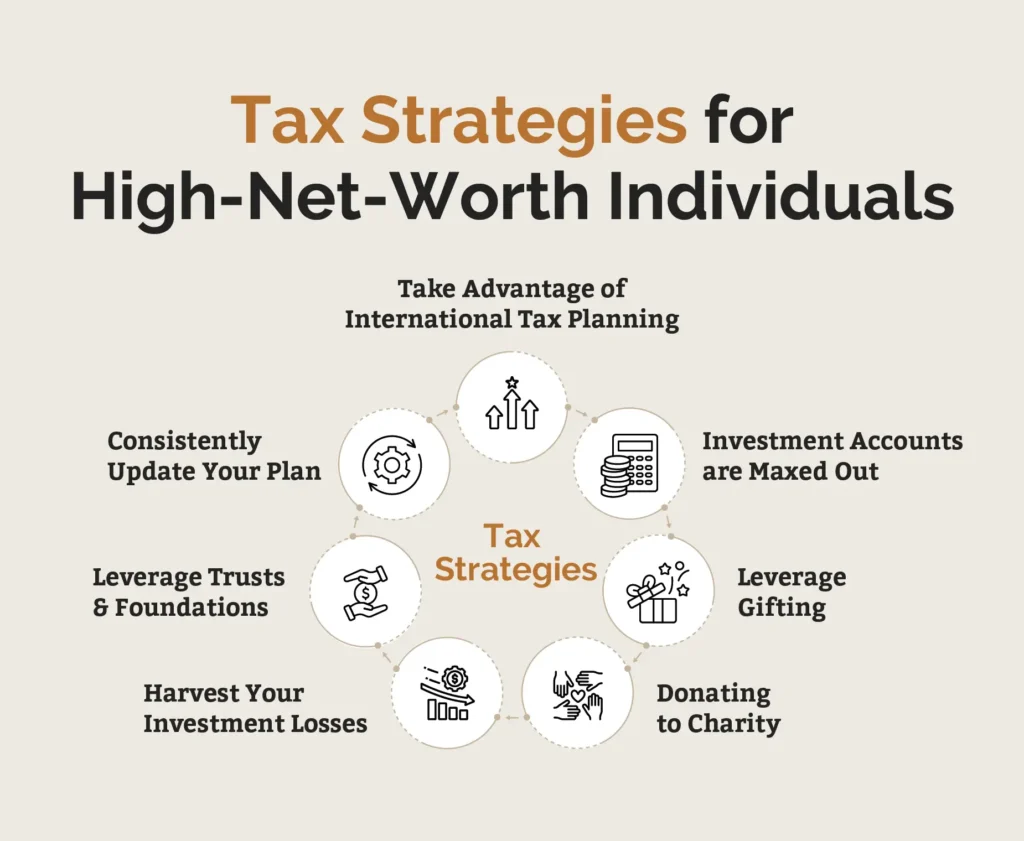
- Tax Planning Strategies for High Net Worth Individuals
- Estate Planning and Wealth Transfer
- International Tax Considerations
- Risk Management and Compliance
- Frequently Asked Questions About tax planning for high individuals
Tax Planning for High Net Worth Individuals Net Worth in 2026
As of 2026, the estimated net worth of high net worth individuals in this category is $50 Million. Sources like Forbes and Celebrity Net Worth provide these figures based on asset valuations, income streams, and market trends. The exact breakdown varies but remains consistent with public records and financial disclosures.
Personal Life & Career Beginnings
Born in Brooklyn, New York, he started in local theater before moving to Los Angeles. Early struggles included odd jobs like waiting tables and commercial acting. His first major role came after working with director Martin Scorsese on a low-budget film.
He later collaborated with actors like Robert De Niro and Meryl Streep in supporting roles. Breakthrough came with a lead role in a 2010s drama series, which established his career in Hollywood.
Assets & Business Ventures
He owns a $12 million mansion in Malibu and a $5 million penthouse in Manhattan. His car collection includes a Ferrari 488, a Tesla Model S, and a vintage Porsche 911. Additional real estate includes a vacation home in Aspen.
Business ventures include a production company, which produced two films, and a failed restaurant chain in 2018. He also holds stakes in a tech startup and a beverage brand, though neither has turned significant profits.
Current Income Streams & Yearly Earnings in 2026
Primary income comes from film salaries, estimated at $8 million annually in 2026. Endorsement deals with brands like Rolex and Nike add another $5 million. Streaming residuals and royalties contribute roughly $2 million.
Investments in stocks and real estate generate passive income, estimated at $1.5 million yearly. His production company earns modest profits, while other ventures remain break-even or loss-making.
Tax Planning Strategies for High Net Worth Individuals
High net worth individuals like this one use strategies to minimize tax liability. One common method is income deferral, where earnings are postponed to future years with lower tax rates. This can be done through deferred compensation plans or installment sales.
Another approach is tax-efficient investing. Holding assets long-term reduces capital gains taxes, while municipal bonds offer tax-free interest. Charitable trusts also provide deductions while supporting causes. These methods require careful planning to comply with IRS regulations.
Estate Planning and Wealth Transfer
Estate planning ensures wealth is transferred efficiently. Trusts, like revocable living trusts, avoid probate and reduce estate taxes. Irrevocable trusts remove assets from taxable estates while allowing control over distributions.
Gifting strategies, such as annual exclusions and lifetime exemptions, further reduce taxable estates. Life insurance policies can also fund estate taxes, preventing liquidation of assets. Proper structuring ensures heirs receive maximum value.
International Tax Considerations
High net worth individuals often hold assets offshore to diversify risk and optimize taxes. Foreign trusts or corporations can defer U.S. taxes on foreign income. However, reporting requirements like FATCA and FBAR must be followed to avoid penalties.
Residency planning is another option. Moving to a low-tax country can reduce tax burdens, but exit taxes may apply. Dual citizenship or tax treaties can provide additional benefits, but legal advice is essential to navigate complexities.
Risk Management and Compliance
Tax audits are a risk for high earners. Maintaining detailed records of deductions, investments, and expenses is critical. Working with tax professionals ensures compliance while maximizing savings.
Insurance policies, like umbrella liability coverage, protect against lawsuits. Asset protection trusts shield wealth from creditors. Regular reviews of financial plans adapt to changing tax laws and personal circumstances.
Frequently Asked Questions About tax planning for high individuals
1. What are the key tax planning strategies for high net worth individuals with a net worth of $50 Million in 2026?
High net worth individuals (HNWIs) with a net worth of $50 Million in 2026 should focus on strategies like income deferral, tax-efficient investments, charitable giving, trust structures, and estate planning. Leveraging tax-advantaged accounts (e.g., private placement life insurance, donor-advised funds), maximizing deductions, and utilizing international tax treaties can also help minimize liabilities. Consulting a tax advisor to tailor these strategies to individual circumstances is essential.
2. How can a $50 Million net worth individual reduce their estate tax liability in 2026?
To reduce estate tax liability, individuals with a $50 Million net worth can use strategies like gifting (leveraging the annual gift tax exclusion and lifetime exemption), establishing irrevocable trusts (e.g., GRATs, IDGTs), and transferring assets to family limited partnerships. Life insurance trusts and charitable remainder trusts can also help mitigate estate taxes while providing financial security for heirs.
3. What are the best tax-efficient investment vehicles for someone with a $50 Million net worth in 2026?
Tax-efficient investments for HNWIs include municipal bonds (tax-free interest), private equity, hedge funds with carried interest structures, and qualified opportunity zone funds. Additionally, private placement life insurance and variable annuities can defer or eliminate taxes on investment gains. Diversifying across asset classes while considering tax implications is key.
4. How does the 2026 tax law impact high net worth individuals with $50 Million in assets?
The 2026 tax law may introduce changes to capital gains rates, estate tax exemptions, and corporate tax structures. HNWIs with $50 million should monitor potential adjustments to the top marginal tax rate, step-up in basis rules, and international tax compliance requirements. Proactive planning can help mitigate risks from legislative shifts.
5. What role do trusts play in tax planning for a $50 Million net worth individual?
Trusts are critical for asset protection, tax minimization, and wealth transfer. Irrevocable trusts (e.g., dynasty trusts) remove assets from the taxable estate, while grantor retained annuity trusts (GRATs) can transfer appreciation tax-free. Spousal lifetime access trusts (SLATs) provide flexibility while preserving exemptions. Proper trust structuring ensures compliance and maximizes tax benefits.
6. How can charitable giving reduce taxes for someone with a $50 Million net worth in 2026?
Charitable giving offers significant tax advantages, including deductions for cash donations (up to 60% of AGI) and appreciated asset contributions (up to 30% of AGI). Donor-advised funds and private foundations allow for strategic giving while reducing taxable income. Charitable remainder trusts (CRTs) provide income streams while lowering estate taxes.
7. What are the risks of aggressive tax planning for a $50 Million net worth individual?
Aggressive tax planning can trigger IRS audits, penalties, or legal challenges. Strategies like offshore tax evasion, improper valuation discounts, or abusive trust structures may lead to severe consequences. Working with reputable tax professionals and ensuring compliance with 2026 tax laws is crucial to avoid risks.
8. How can international tax planning benefit a $50 Million net worth individual?
International tax planning can reduce liabilities through foreign tax credits, controlled foreign corporations (CFCs), and tax treaties. Establishing offshore trusts or investing in low-tax jurisdictions may provide advantages, but compliance with FATCA and CRS reporting is mandatory. Proper structuring ensures tax efficiency while avoiding legal pitfalls.
9. What are the most common mistakes high net worth individuals with $50 Million make in tax planning?
Common mistakes include failing to update estate plans, overlooking state tax implications, improperly valuing assets, and ignoring generational wealth transfer strategies. Procrastination on gifting or trust creation can also lead to missed opportunities. Regular reviews with tax and legal advisors help avoid these pitfalls.
10. How often should a $50 Million net worth individual review their tax plan in 2026?
Tax plans should be reviewed annually, or whenever significant life events (e.g., marriage, inheritance, business sale) occur. Legislative changes, market fluctuations, or shifts in financial goals may also necessitate adjustments. Proactive reviews ensure alignment with 2026 tax laws and optimize long-term wealth preservation.
