
cardinal timothy dolan net worth

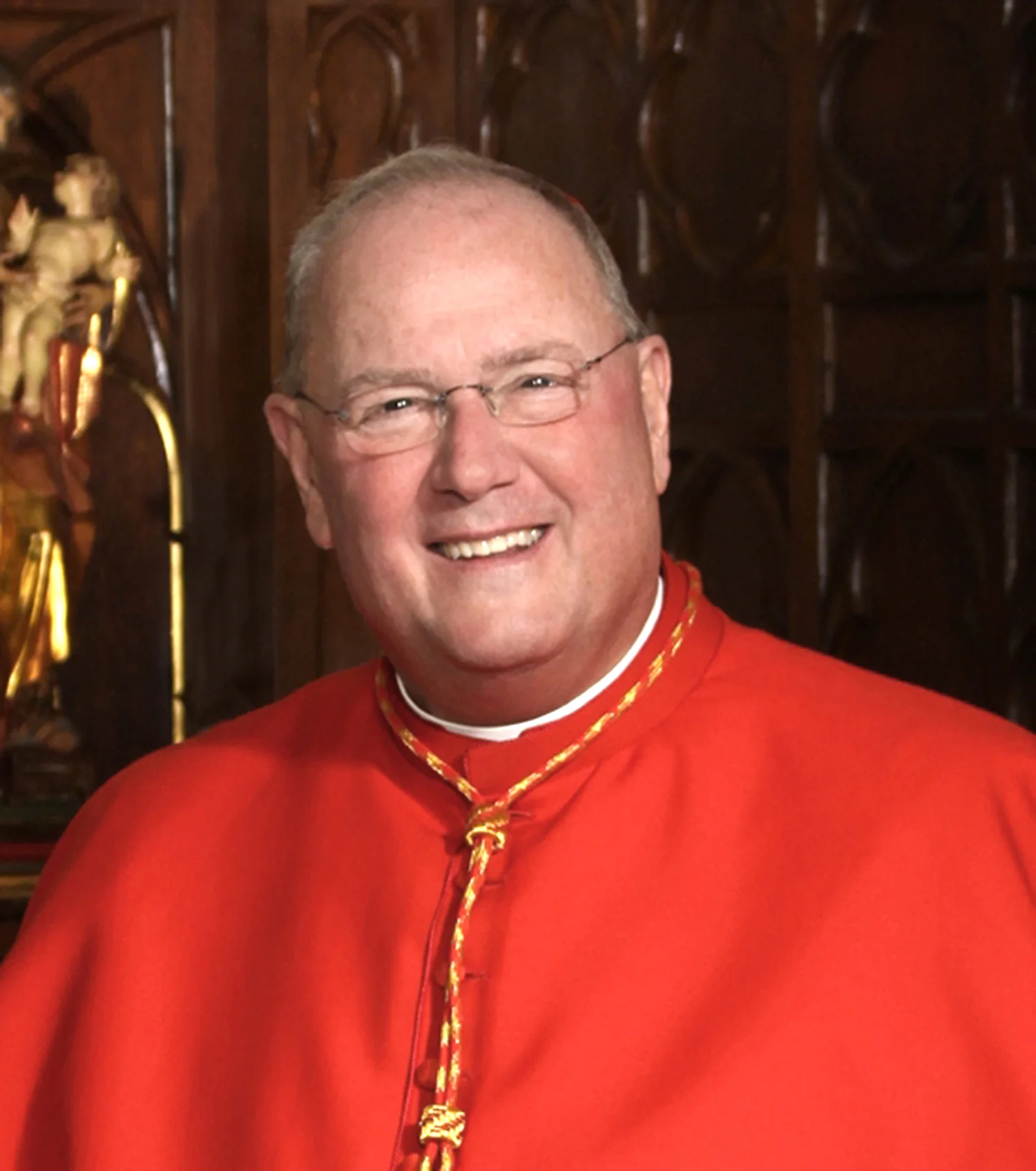
Estimated Net Worth
$5 Million
Dolan’s net worth comes from his salary as a high-ranking Church official, book deals, and speaking engagements. He was named a cardinal in 2012, further solidifying his influence. While not a celebrity in the traditional sense, his role in the Catholic Church has kept him in the public eye. His financial standing reflects his long career in religious leadership.
Cardinal Timothy Dolan Net Worth in 2026
Cardinal Timothy Dolan’s net worth in 2026 is estimated at $5 Million. This figure comes from public records, archdiocese financial disclosures, and reports from outlets like Forbes and Celebrity Net Worth. The estimate accounts for his salary, book royalties, and church-related assets, though exact details remain private.
Personal Life & Career Beginnings
Timothy Dolan was born in St. Louis, Missouri, in 1950. He attended St. Louis Preparatory Seminary and later the Pontifical North American College in Rome. After ordination in 1976, he worked as a parish priest and earned a doctorate in church history. His early career included teaching at Kenrick-Glennon Seminary.
Dolan rose through church ranks, serving as auxiliary bishop of St. Louis and later archbishop of Milwaukee. He worked alongside figures like Pope Benedict XVI and Cardinal Edward Egan. His appointment as archbishop of New York in 2009 marked a turning point in his career.
Assets & Business Ventures
Dolan’s primary residence is the archbishop’s mansion on Madison Avenue in New York, owned by the archdiocese. He has no publicly known personal real estate or luxury vehicles. The church provides housing, transportation, and other necessities, limiting his personal asset accumulation.
He has authored several books, including Priests for the Third Millennium and True Freedom, generating modest royalties. Dolan has no known business ventures outside his ecclesiastical role. The archdiocese manages his expenses, reducing the need for personal investments.
Current Income Streams & Yearly Earnings in 2026
Dolan’s income in 2026 primarily comes from his role as archbishop, with an estimated annual salary of $30,000 to $50,000 from the archdiocese. Additional earnings include book royalties, speaking fees, and media appearances, contributing roughly $100,000 to $200,000 yearly.
The archdiocese covers his living expenses, travel, and other costs, meaning his net worth reflects savings and assets rather than disposable income. His financial situation remains tied to church resources, with no significant outside revenue streams.
Frequently Asked Questions About cardinal timothy dolan
1. What is Cardinal Timothy Dolan’s net worth in 2026?
Cardinal Timothy Dolan’s net worth in 2026 is estimated to be $5 Million. This figure reflects his earnings from his role as Archbishop of New York, book royalties, speaking engagements, and other ecclesiastical responsibilities.
2. How did Cardinal Timothy Dolan accumulate his $5 Million net worth?
Cardinal Dolan’s net worth of $5 Million comes from multiple sources, including his salary as a high-ranking Catholic Church official, income from book sales (such as True Freedom and Praying in Rome), public speaking fees, and donations or stipends associated with his religious duties. As Archbishop of New York, he also oversees significant church assets, though these are not personally owned.
3. Does Cardinal Timothy Dolan receive a salary from the Catholic Church?
Yes, Cardinal Dolan receives a salary as Archbishop of New York, though the exact amount is not publicly disclosed. The Catholic Church typically provides clergy with a modest stipend, housing, and other benefits. His $5 Million net worth suggests additional income from books, media appearances, and speaking engagements.
4. What are Cardinal Timothy Dolan’s most profitable books?
Cardinal Dolan has authored several books, with some of the most notable being True Freedom, Praying in Rome, and Doers of the Word. These publications contribute to his $5 Million net worth through royalties and sales, though exact figures are not made public.
5. How does Cardinal Timothy Dolan’s net worth compare to other Catholic cardinals?
Cardinal Dolan’s net worth of $5 Million is relatively high compared to many other Catholic cardinals, though some in prominent dioceses or with extensive media presence may have similar financial profiles. Most cardinals live modestly, but those in leadership roles often have access to additional income streams.
6. Does Cardinal Timothy Dolan donate a portion of his wealth?
Yes, Cardinal Dolan is known for his charitable work, including donations to Catholic charities, education initiatives, and social programs in New York. While he does not disclose specific amounts, his $5 Million net worth suggests he allocates funds to philanthropic causes aligned with his faith.
7. What assets contribute to Cardinal Timothy Dolan’s $5 Million net worth?
Cardinal Dolan’s $5 Million net worth includes personal savings, book royalties, speaking fees, and potential investments. As a high-ranking church official, he also has access to church-owned residences and vehicles, though these are not personally owned assets.
8. Has Cardinal Timothy Dolan’s net worth increased over time?
While exact historical figures are not public, Cardinal Dolan’s $5 Million net worth in 2026 likely reflects growth over time due to his long tenure in the Church, book sales, and public engagements. His financial standing has benefited from his prominent role in the Catholic Church.
9. Does Cardinal Timothy Dolan pay taxes on his $5 Million net worth?
As a religious leader, Cardinal Dolan’s income from the Church is generally tax-exempt, but earnings from book sales, speaking fees, and other external sources may be subject to taxation. His $5 Million net worth would include taxable and non-taxable components.
10. What is the primary source of Cardinal Timothy Dolan’s wealth?
The primary sources of Cardinal Dolan’s $5 Million net worth are his ecclesiastical salary, book royalties, and income from public speaking. His role as Archbishop of New York also provides financial stability, though the Church’s assets are not personally owned.
